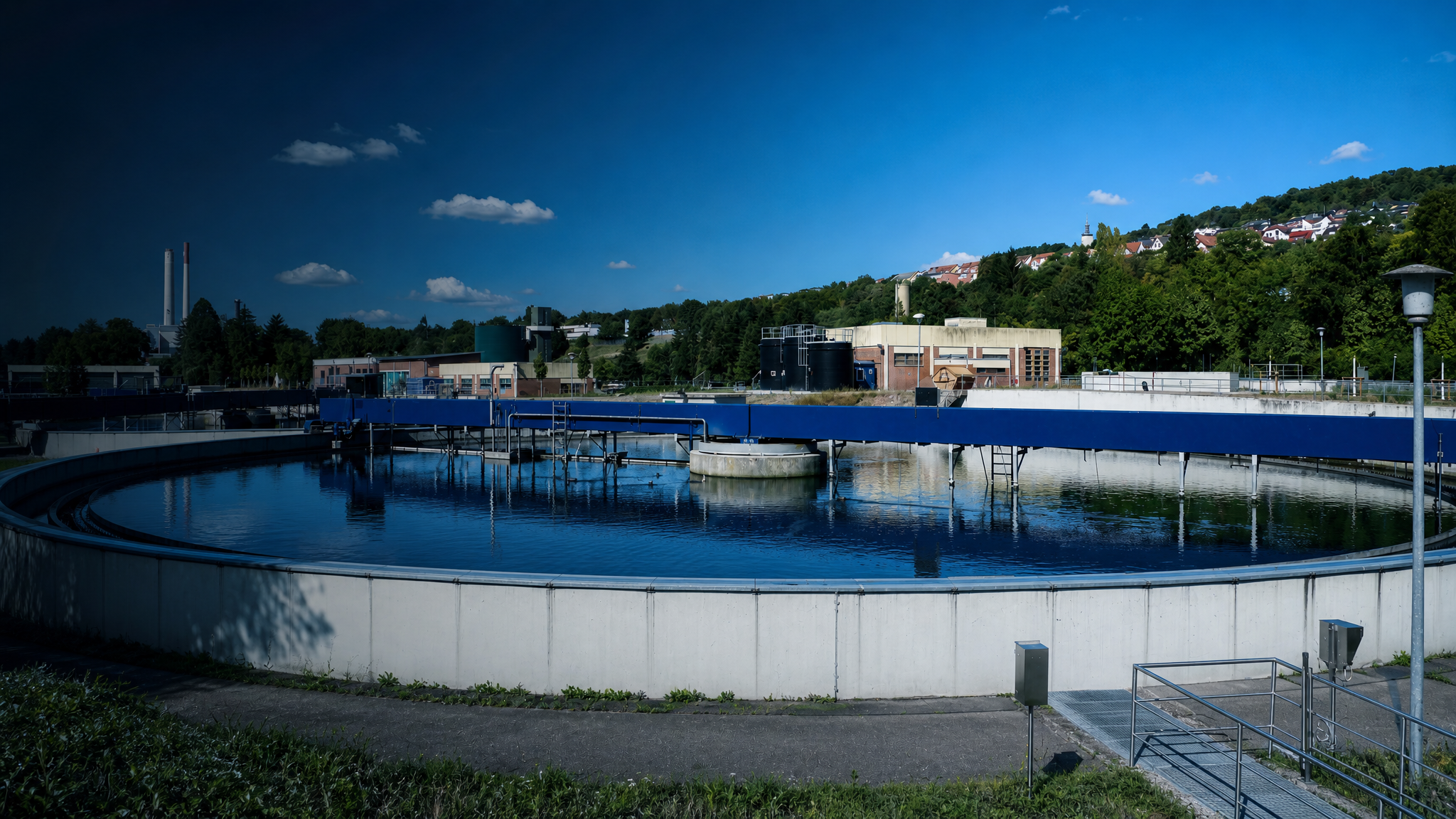
Tertiary Treatment for Wastewater Treatment Plants
The authoritative engineering guide to third-stage wastewater treatment.
Tertiary treatment is the advanced stage of wastewater processing that follows primary settling and secondary biological treatment. It targets residual nutrients (nitrogen, phosphorus), suspended solids, and increasingly micropollutants to meet stringent discharge requirements. Under the revised EU Urban Wastewater Directive (2024/3019), tertiary treatment will become mandatory for all plants above 10,000 PE by 2039.
Key Numbers
Technical Overview
Tertiary treatment encompasses all processes that follow conventional secondary biological treatment. The primary objectives are:
- Nutrient removal: Reducing total nitrogen and total phosphorus to levels that prevent eutrophication in receiving water bodies.
- Solids polishing: Removing residual suspended solids that carry particulate phosphorus and BOD.
- Pathogen reduction: Additional disinfection where required for water reuse or bathing water standards.
- Micropollutant removal: Increasingly required as a quaternary treatment step under the same regulatory framework.
Engineering Insight: Process Integration
Engineering Process
Technology Comparison
Disc Filtration
highRotating disc filters with woven or pile cloth media. Compact footprint, low energy consumption.
- Very compact footprint
- Low energy (0.01-0.03 kWh/m³)
- Simple O&M
- Modular design
- Limited to TSS/particulate P
- No dissolved nutrient removal
- Media replacement cycles
Deep-Bed Sand Filtration
highGravity-fed continuous backwash sand filters. Proven technology for TSS and particulate P removal.
- Proven technology
- Chemical dosing possible
- Good TSS removal
- Long media life
- Larger footprint
- Backwash water management
- Higher civil works cost
Membrane Filtration (MF/UF)
mediumMicrofiltration or ultrafiltration membranes providing absolute barrier for solids and pathogens.
- Absolute barrier
- Consistent effluent quality
- Pathogen removal
- Compact
- Higher energy demand
- Membrane fouling
- Chemical cleaning required
- Higher OPEX
Dissolved Air Flotation (DAF)
mediumFlotation process using micro-bubbles to separate flocs, suspended solids, and oils.
- Effective with coagulants
- Handles algae well
- Good for P removal
- Flexible operation
- Chemical consumption
- Sludge production
- Energy for air saturation
- Larger than disc filters
For Existing Plants
EU Urban Wastewater Directive (2024/3019)
Ready to upgrade your treatment plant?
Get a preliminary engineering assessment tailored to your plant’s specific conditions and requirements.
Frequently Asked Questions
Related Content
Nitrogen Removal
Strategies for meeting TN discharge limits
Phosphorus Removal
Chemical and biological P removal
TSS / Filtration
Filtration technologies for solids removal
Tertiary Filtration
Disc, cloth, sand & membrane compared
Retrofit Solutions
Upgrading existing infrastructure
EU Requirements
Directive 2024/3019 compliance guide
Technology Selection
How to choose the right process
Tertiary Sewage Treatment
The stages of a sewage works explained
Disinfection (UV, Ozone, PAA)
Reducing pathogens before discharge or reuse
Last reviewed: August 2026. Regulatory requirements may vary by national implementation. This content is for informational purposes and does not constitute legal or engineering advice.