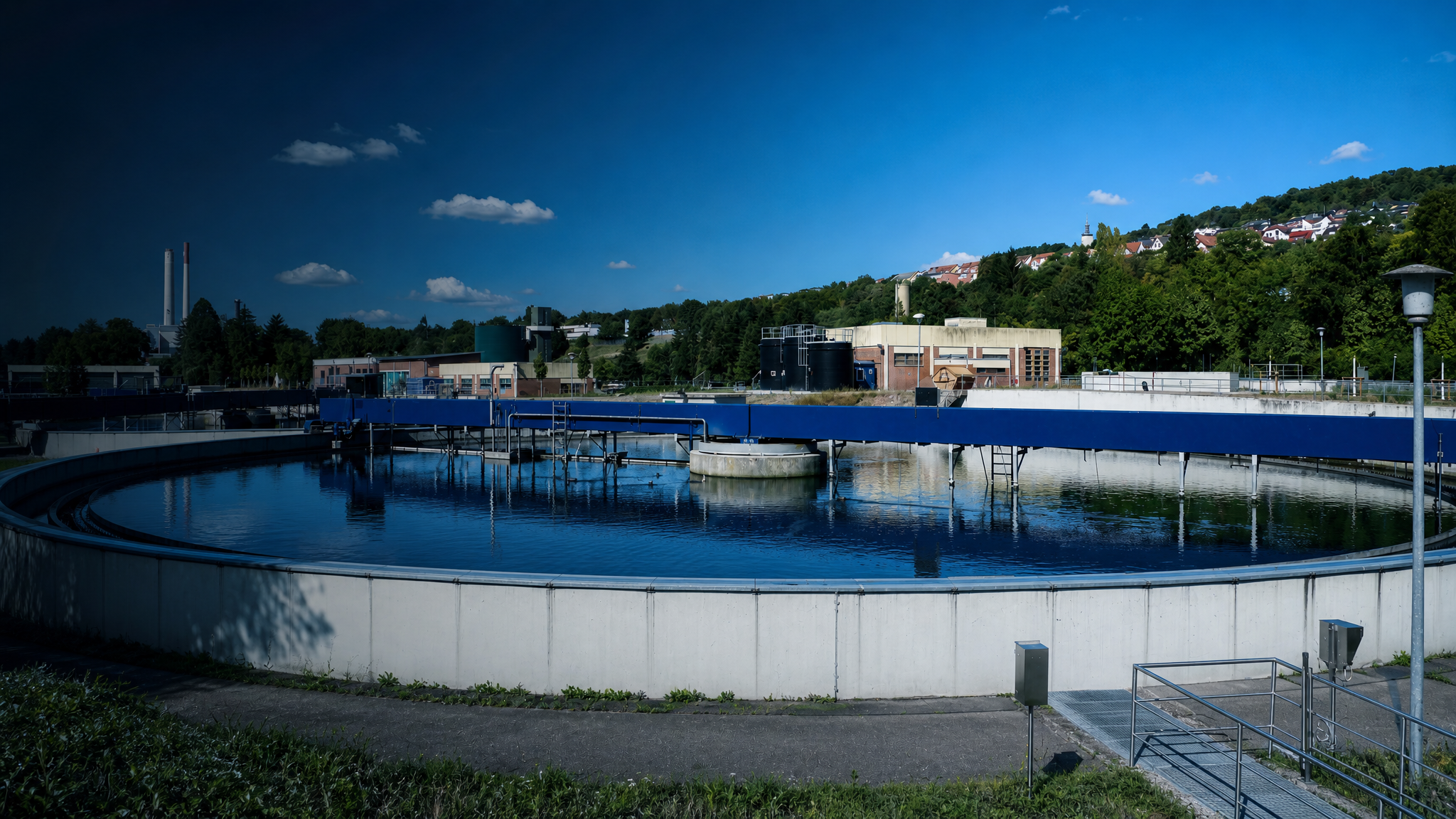
Membrane Filtration (MF/UF) for Tertiary Treatment
Near-complete solids barrier with the smallest particle cut-off of any filtration technology.
Microfiltration (MF) and ultrafiltration (UF) membranes provide the tightest physical barrier in tertiary treatment, removing virtually all suspended solids, bacteria, and most pathogens from secondary effluent. They produce reuse-grade water quality and are the technology of choice when the effluent must meet bathing-water or irrigation-reuse standards. The trade-off: membranes require pressure-driven operation (pumped feed), have higher energy demand than gravity-fed filters, and need periodic chemical cleaning (CIP). For standard EU nutrient compliance alone (TSS, TN, TP), simpler technologies like disc or sand filters are usually more cost-effective — membranes are justified when the quality requirement goes beyond nutrient limits.
Key Numbers
Technology Profile
Membrane Filtration (MF / UF)
mediumPressure-driven physical barrier that removes virtually all suspended solids, bacteria, and most pathogens. Produces reuse-quality effluent.
- Near-complete solids and pathogen removal
- Reuse / bathing-water grade effluent
- Compact membrane footprint
- Proven at scale (10,000–500,000+ PE)
- Consistent quality regardless of influent variation
- Pressure-driven — higher energy than gravity filters
- CIP chemicals and membrane replacement costs
- More complex operation (fouling management)
- Over-specified for standard EU nutrient compliance
Engineering Insight: Right-Sizing Membrane Use
For Existing Plants
Ready to upgrade your treatment plant?
Get a preliminary engineering assessment tailored to your plant’s specific conditions and requirements.
Frequently Asked Questions
Related Content
Last reviewed: August 2026. Regulatory requirements may vary by national implementation. This content is for informational purposes and does not constitute legal or engineering advice.